

-
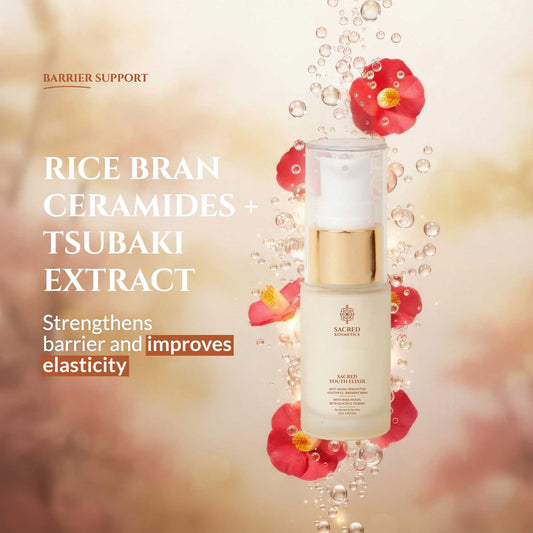
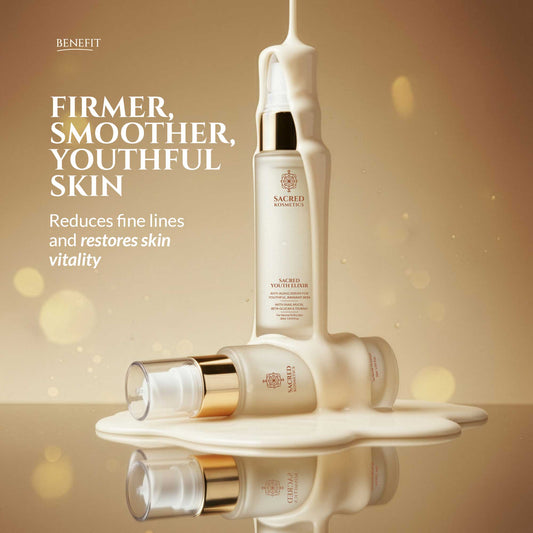
Sacred Youth Elixir 15ml - Anti-aging Serum | Snail Mucin, Bakuchiol
Regular price Rs. 499.00Regular priceRs. 699.00Sale price Rs. 499.00Sale -
Sacred Youth Elixir Bakuchiol Snail Mucin Anti-Aging Serum:
Regular price Rs. 899.00Regular priceRs. 1,199.00Sale price Rs. 899.00Sale -
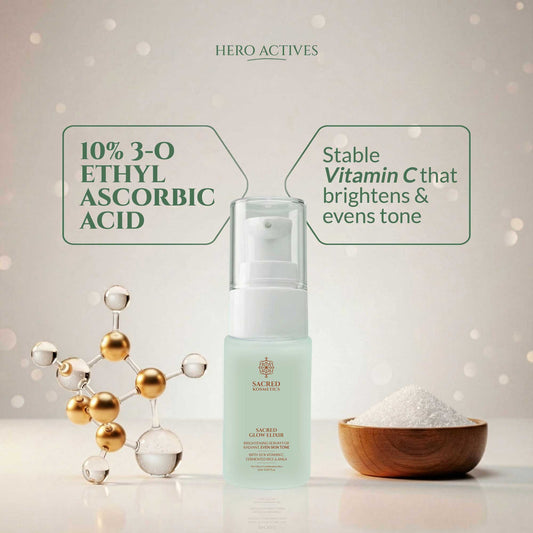
Sacred Glow Elixir 15ml – Vitamin C Brightening Serum
Regular price Rs. 399.00Regular priceRs. 599.00Sale price Rs. 399.00Sale -
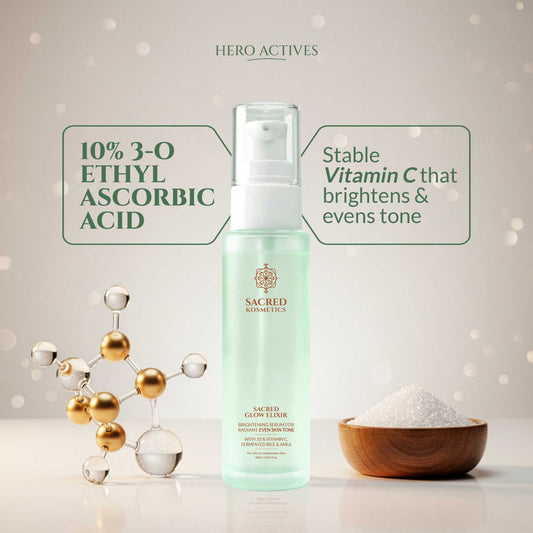
Sacred Glow Elixir 30ml – Vitamin C Serum for Indian Skin
Regular price Rs. 799.00Regular priceRs. 1,099.00Sale price Rs. 799.00Sale




What Makes Skin Sensitive in the First Place
Sensitive skin has a compromised barrier that allows irritants to penetrate more easily. What feels like a mild tingle to someone else can cause stinging, redness, or breakouts in sensitive skin. This is not about being dramatic or having low tolerance. It is a structural difference in how the skin functions.
The barrier in sensitive skin is often thinner and less able to retain moisture or block external triggers. Ingredients that are considered safe for most people can still provoke reactions because the skin cannot buffer their impact effectively.
Serums for sensitive skin need to work around this limitation. They focus on strengthening the barrier, reducing inflammation, and avoiding common triggers rather than delivering aggressive results quickly.
The Problem With Conventional Skincare for Reactive Skin
Many skincare products contain fragrances, essential oils, alcohol, or high concentrations of actives that irritate sensitive skin. Even natural ingredients can be problematic if they are volatile or highly concentrated.
Fragrance is one of the most common culprits. It serves no functional purpose in skincare and exists only for sensory appeal. For sensitive skin, it is an unnecessary risk that often leads to redness, itching, or contact dermatitis.
Alcohol-based formulations dry out the skin and disrupt the barrier further. While they may feel refreshing initially, they worsen sensitivity over time by stripping natural oils and increasing transepidermal water loss.
How Gentle Serums Support Barrier Recovery
Serums for sensitive skin prioritise barrier repair, hydration, and calming inflammation. They use minimal ingredient lists to reduce the chance of reactions and avoid common irritants like fragrance, alcohol, and harsh preservatives.
These serums focus on supporting the skin's natural recovery rather than forcing change. By strengthening the barrier and reducing reactivity, they help the skin become more stable and less prone to flare-ups over time.
For individuals dealing with barrier disruption, these formulations align with skin barrier repair serums that restore resilience through gentle, sustained care.
Myths That Keep Sensitive Skin From Improving
One misunderstanding is that sensitive skin is a permanent condition that cannot improve. In reality, many people develop sensitivity from using harsh products or over-exfoliating. When the barrier is given time to recover, sensitivity often decreases significantly.
Another myth is that sensitive skin cannot tolerate any active ingredients. This is not true. Sensitive skin can benefit from actives like niacinamide or gentle vitamin C, as long as they are formulated at appropriate concentrations and paired with soothing ingredients.
People also assume that natural or organic products are automatically safe for sensitive skin. This is false. Many natural ingredients like essential oils, citrus extracts, or plant alcohols are highly irritating. Safety depends on formulation, not origin.
Who Actually Needs Fragrance-Free, Alcohol-Free Formulations
This category suits anyone who experiences frequent redness, stinging, tightness, or breakouts after using new products. It is especially relevant for people who have tried multiple skincare lines without finding anything that works consistently.
Individuals with conditions like rosacea, eczema, or contact dermatitis benefit from fragrance-free, alcohol-free formulations that do not aggravate underlying inflammation. Even if you do not have a diagnosed condition, chronic reactivity signals that your barrier needs support.
People living in extreme climates, whether very hot or very cold, often develop temporary sensitivity due to environmental stress. Gentle serums help the skin adapt without adding further irritation.
Ingredients That Calm Without Triggering Reactions
Centella asiatica is widely used in sensitive skin formulations because it calms inflammation and supports barrier repair. It helps reduce redness and irritation while encouraging the skin to heal without triggering further reactions.
Ceramides are lipids that naturally occur in the skin barrier. When the barrier is compromised, ceramide levels drop. Replenishing them through topical application helps restore barrier integrity and reduce moisture loss.
Ayurvedic botanicals like liquorice and turmeric provide anti-inflammatory benefits without the volatility of essential oils. They support calm, balanced skin while addressing underlying inflammation that can trigger sensitivity.
How to Introduce New Serums Without Causing Flare-Ups
Introduce one new serum at a time and wait at least two weeks before adding anything else. This allows you to identify what helps versus what causes problems. Sensitive skin needs time to adapt, and rushing the process usually backfires.
Apply serums to slightly damp skin to improve absorption and reduce the chance of irritation from concentrated actives sitting on dry skin. Use a small amount and build up gradually if needed.
Avoid layering too many products. More is not better for sensitive skin. A simple routine with fewer high-quality products works better than a complex routine with multiple potential irritants.
Hidden Irritants That Sabotage Sensitive Skin
Fragrance appears on ingredient lists in many forms. Parfum, essential oils, and plant extracts added for scent all count as fragrance. Even if a product smells natural, it can still irritate sensitive skin.
Alcohol denat, isopropyl alcohol, and SD alcohol are drying and disruptive to the barrier. Fatty alcohols like cetyl or stearyl alcohol are different and generally well-tolerated, but the drying alcohols should be avoided entirely.
Other hidden irritants include menthol, camphor, eucalyptus, and high concentrations of citrus extracts. These ingredients create a cooling or tingling sensation that feels active but actually signals irritation.
Heat, Pollution, and Sensitive Skin in India
Heat, humidity, pollution, and UV exposure all stress the skin barrier. For sensitive skin, these environmental factors can trigger flare-ups even when products are gentle and well-formulated.
Indian climates present unique challenges because high temperatures increase sweating, which can irritate already reactive skin. Pollution particles settle on the skin and penetrate more easily when the barrier is weak.
For climate-appropriate care, sensitive skin routines align with serums for Indian skin that account for heat, humidity, and pollution without adding unnecessary irritants.
How Sensitive Skin Becomes Stronger Over Time
Sensitive skin improves when it is given consistent, gentle support rather than constant intervention. The goal is not to eliminate all reactions immediately but to reduce their frequency and intensity over time.
As the barrier strengthens, the skin becomes less reactive. Products that once caused stinging may become tolerable. This does not happen overnight, but with patience and the right formulations, most people see significant improvement within a few months.
For individuals managing sensitivity alongside dehydration, gentle routines often incorporate hydrating serums with hyaluronic acid to support moisture retention without adding irritation.


The future of skincare begins with Sacred Kosmetics
Where Ayurvedic wisdom meets J beauty precision and K beauty innovation. Every ingredient is selected for safety and performance on melanin rich Indian skin.
Purity in every drop
Full ingredient transparency and clear concentration listing for informed skincare decisions.
Clinically thoughtful
Ayurveda, J beauty and K beauty combined to create science led serums for Indian skin.
Accessible luxury
Premium actives at honest prices so more people can enjoy visible results.
Sourced with intention
Actives selected from the best regions for purity, potency and long term benefits.